
The role of your wheel choice in triathlon success
In the world of triathlon, where swimming, cycling, and running are combined, each discipline is important. Especially in the cycling element, aspects such as aerodynamics and material selection are important factors. Carbon triathlon wheels have become widely the standard, mainly because of their aerodynamic benefits. These benefits allow you to make more speed with less effort. Okay, of course it also makes your equipment look super cool.
But a triathlon course is almost never flat and the weather conditions are never the same. From flat roads to hilly terrain, in tropical temperatures but also in cold, rain and strong winds. So you will have to match the choice of your wheels to the conditions during the race if you want to achieve your optimal performance.
Different types of triathlon wheels
Carbon triathlon wheels:
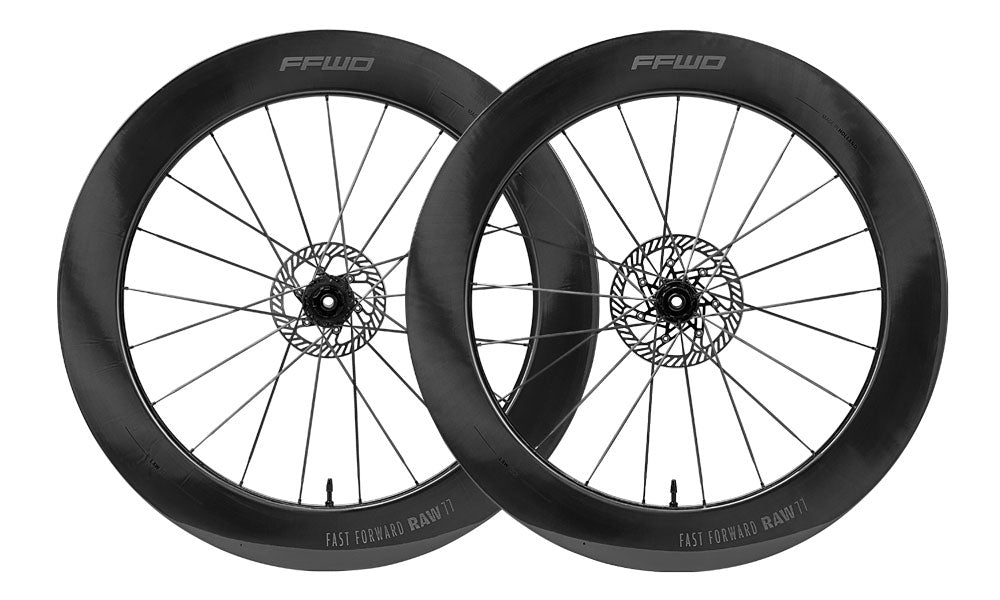
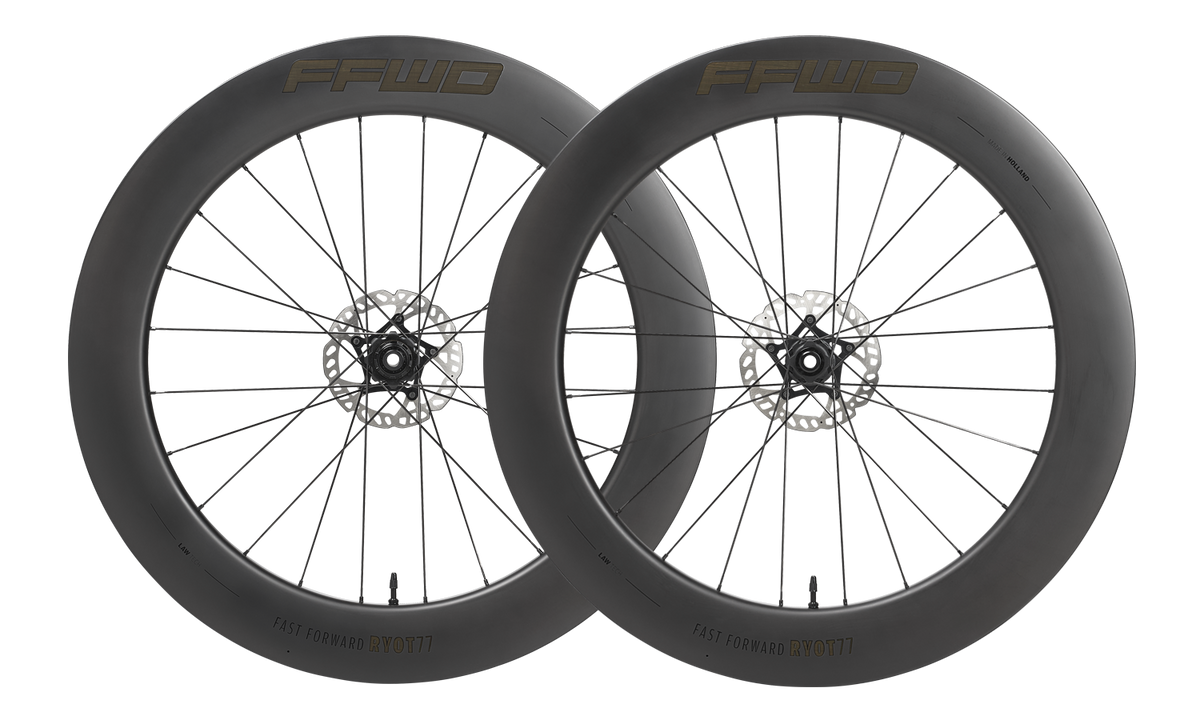
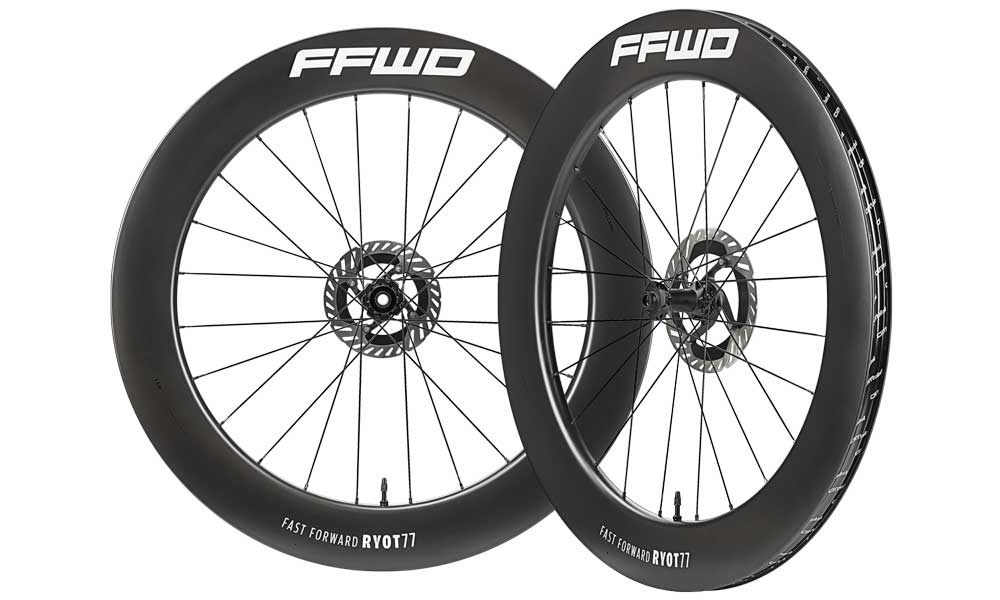
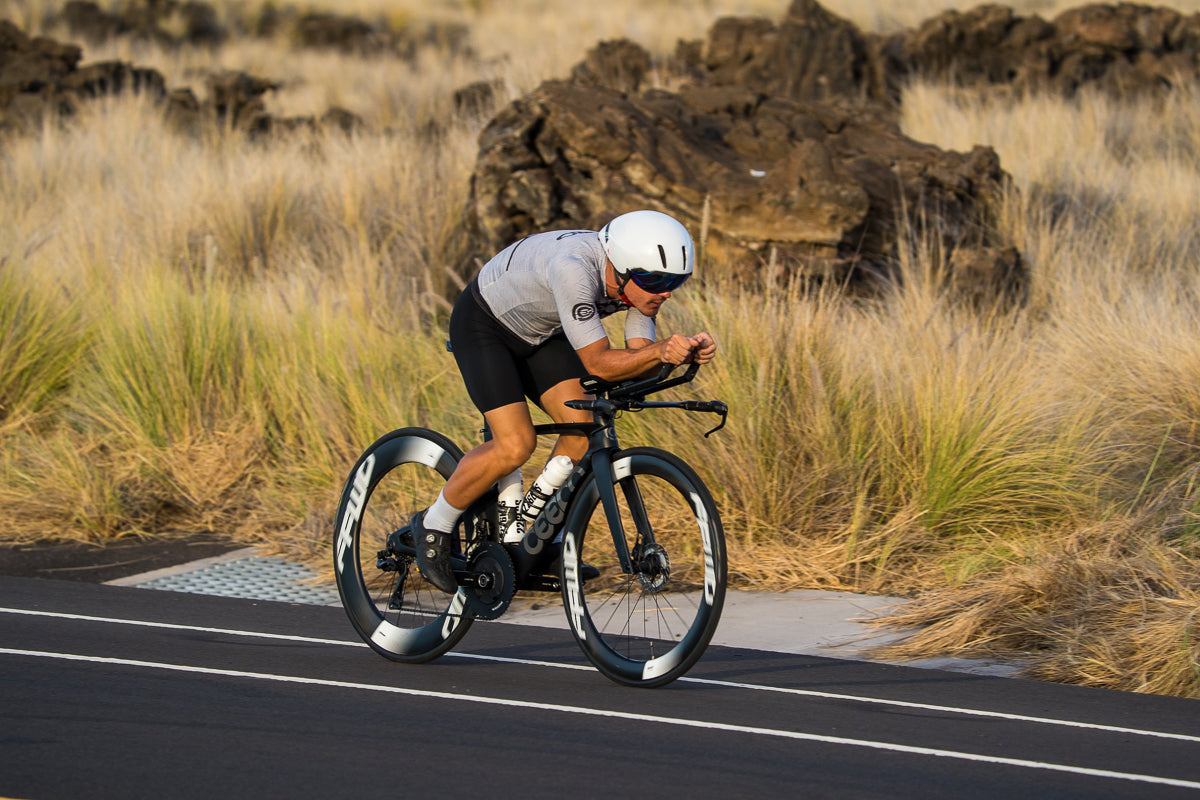
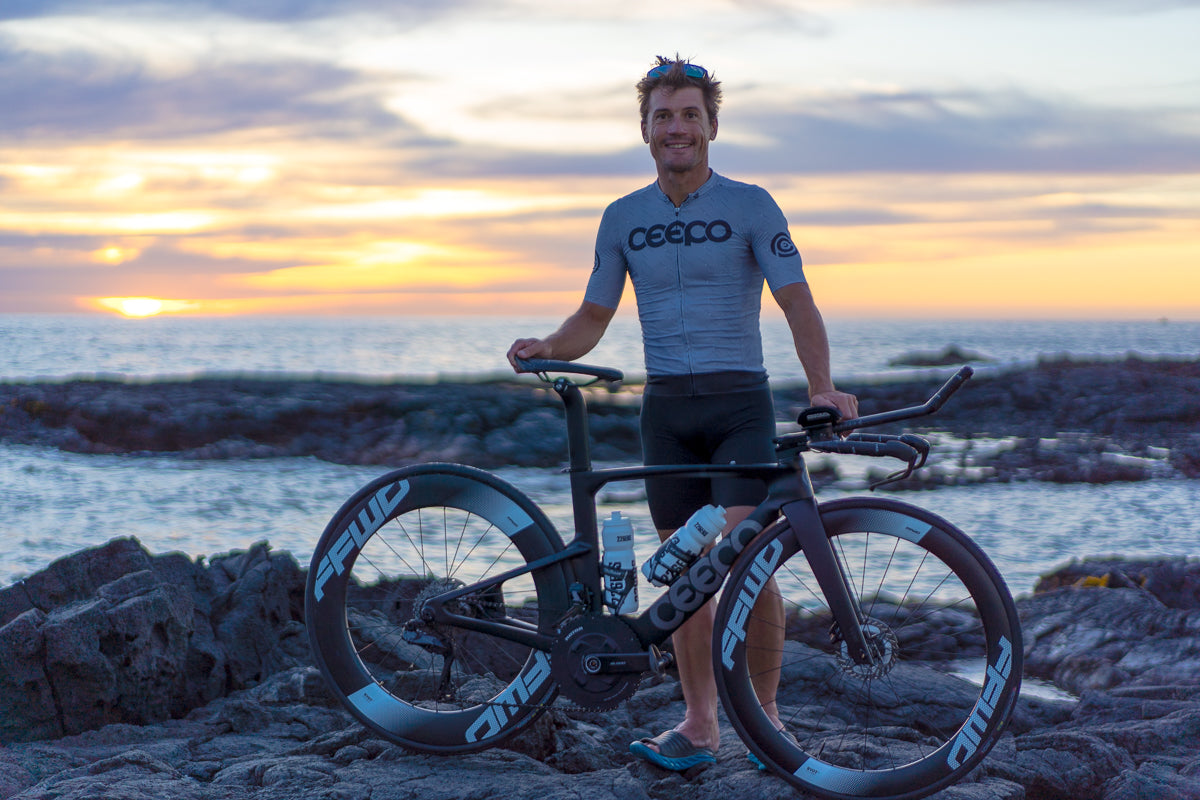
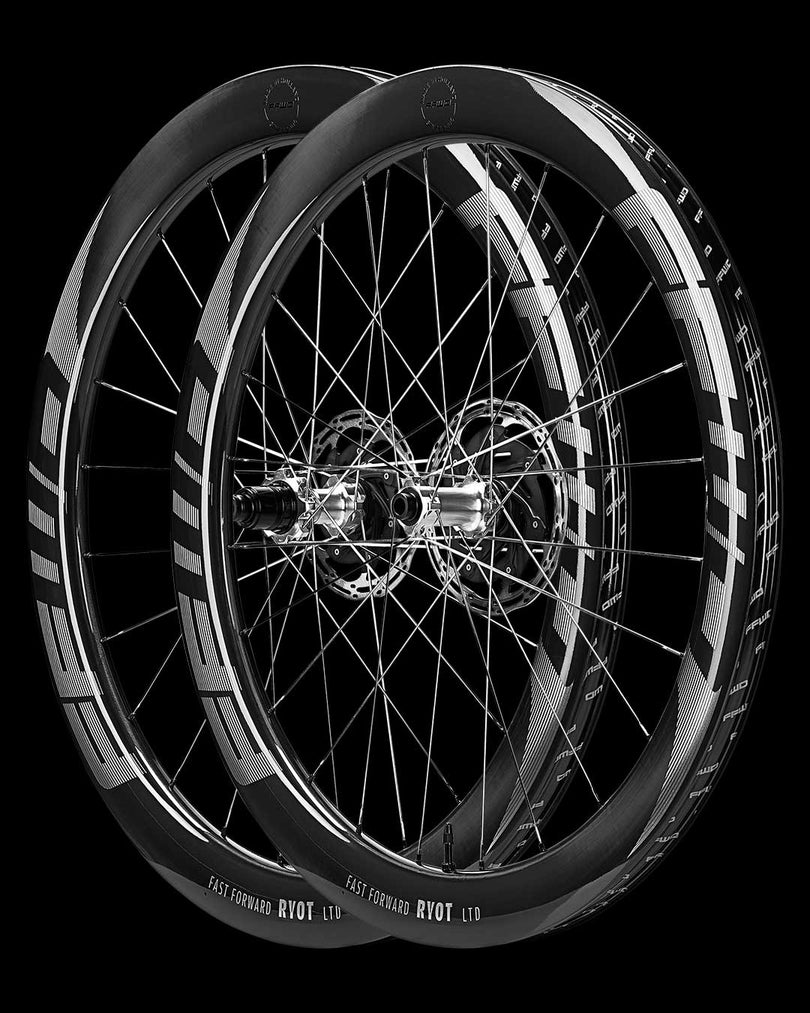
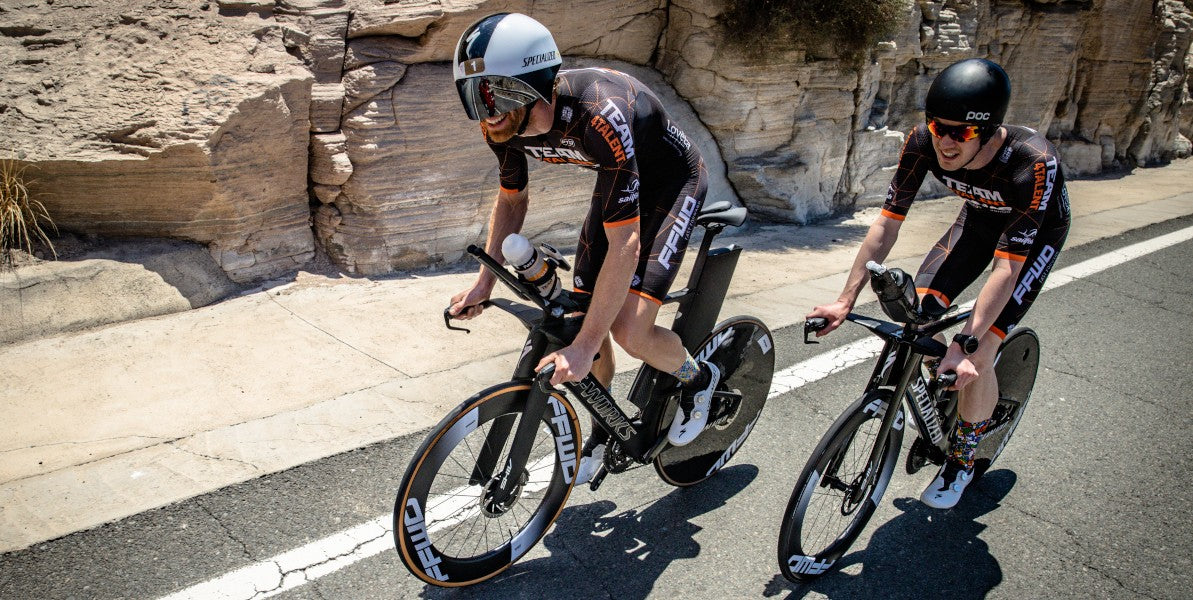
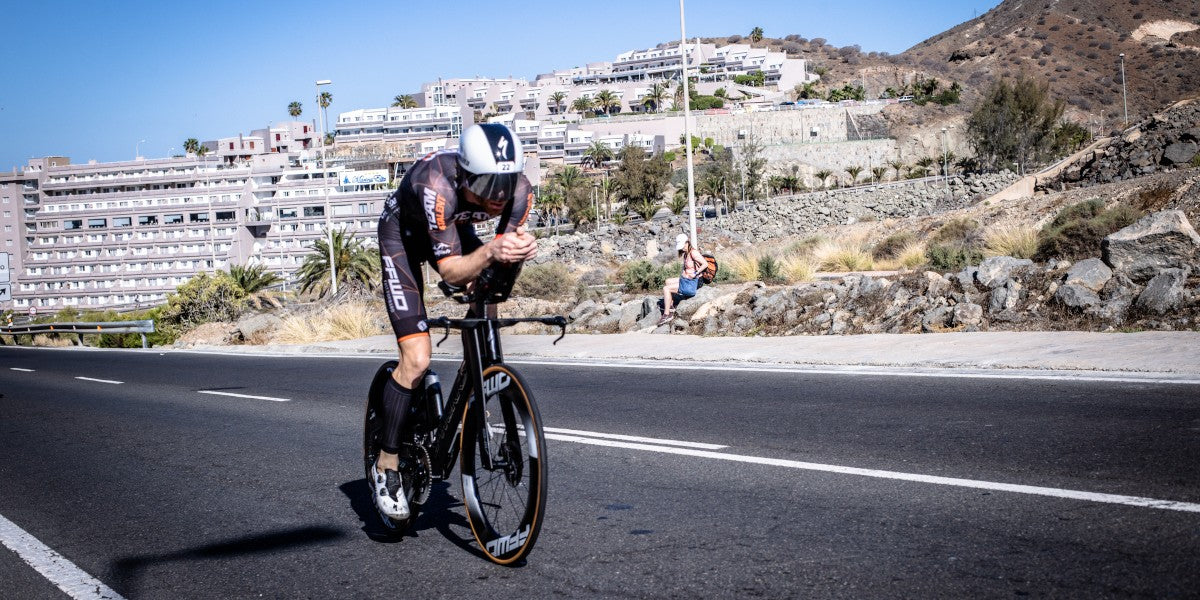
The vast majority of triathletes ride on carbon wheels. Especially the models with 70 to 80mm rims are the very popular, mainly because of their aerodynamic benefits. Despite the large rim area, the carbon material still allows the wheels to be a lot lighter than aluminum counterparts.
A possible disadvantage of high carbon rims is that they are less stable in weather conditions with strong crosswinds. This comes at the expense of safety and is also an impediment to maintaining high speeds. But as a master of wheelbuilding we obviously have the best solution available to tackle that challenge.
Combination wheel sets with different rim height:
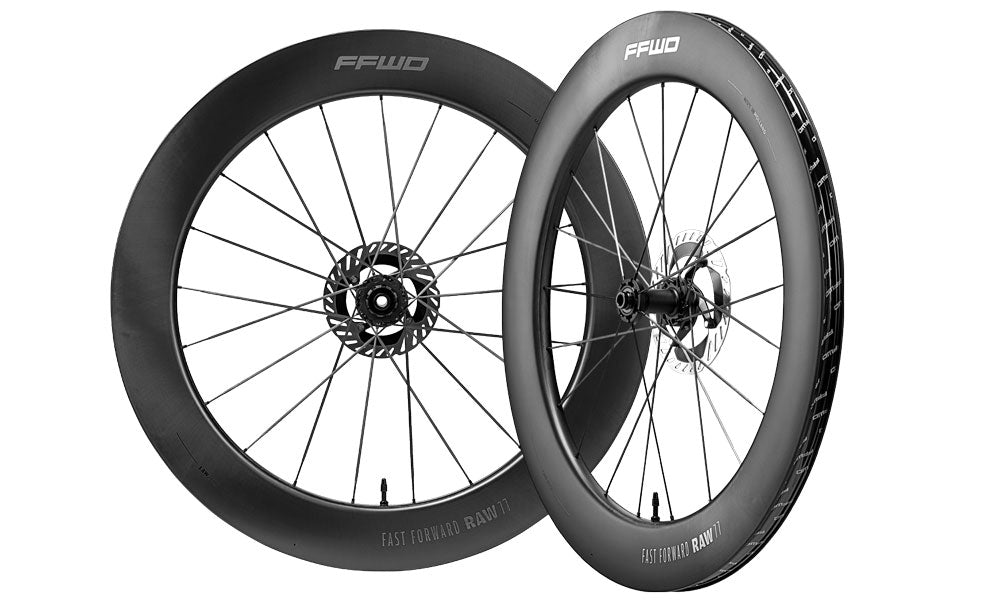
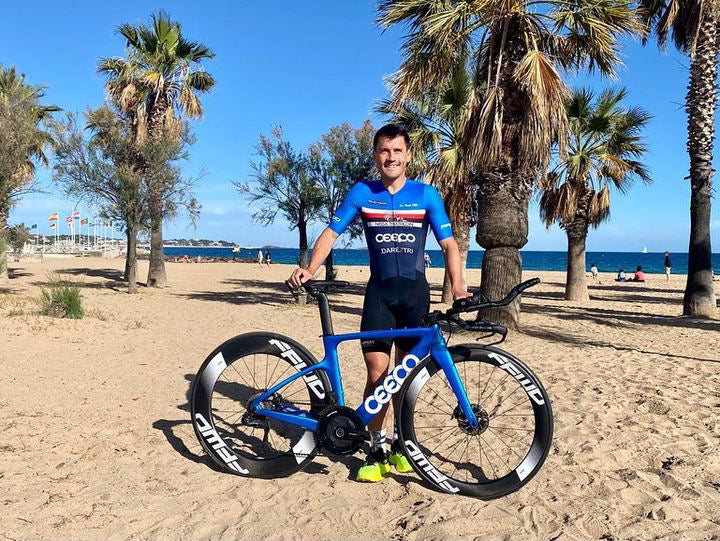
Carbon triathlon wheels with different rim heights offer a great compromise for varied terrains and changing conditions. Especially with strong winds, a lower front wheel provides significantly more stability. And there's a bit of weight savings on top of that. No wonder many top triathletes choose these kind of wheel combinations.
Now you may think that with a lower front wheel, aerodynamics are less efficient. Okay, wind tunnel testing does indeed show a small difference, but this is so minimal that the benefits of a lower front wheel are definitely going to be your gain.
Disc rear wheels for triathlons:
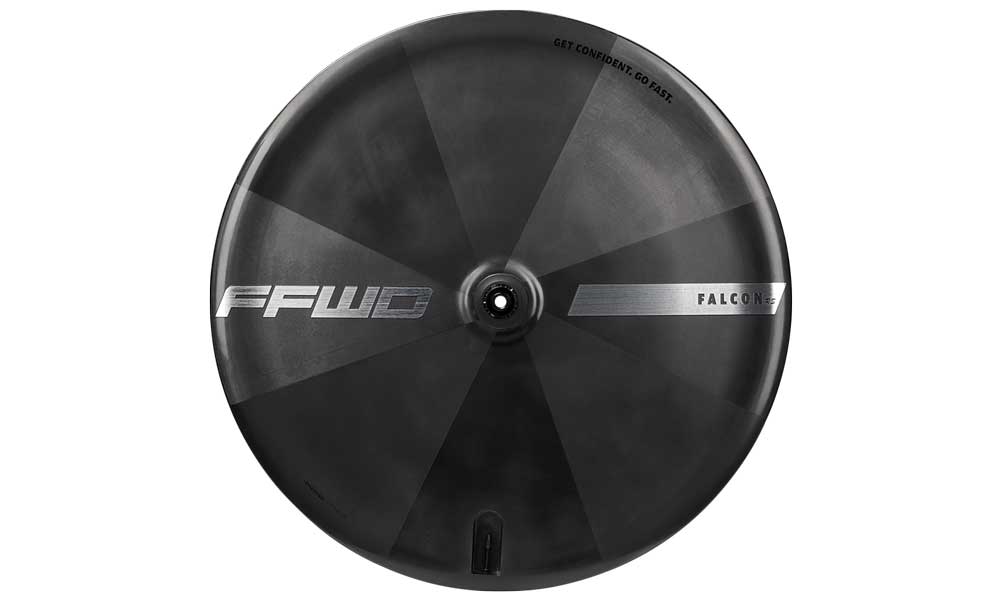
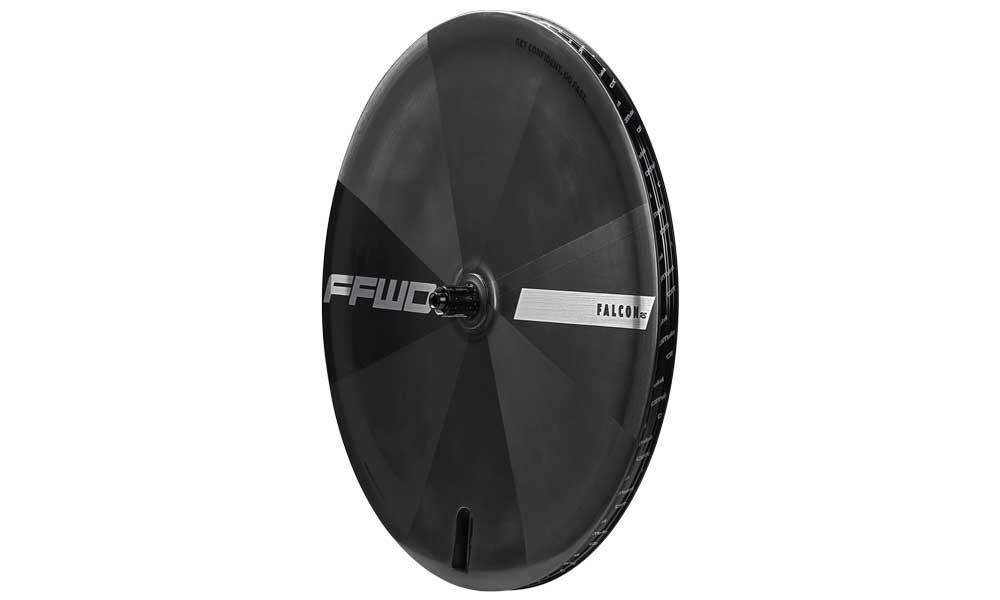
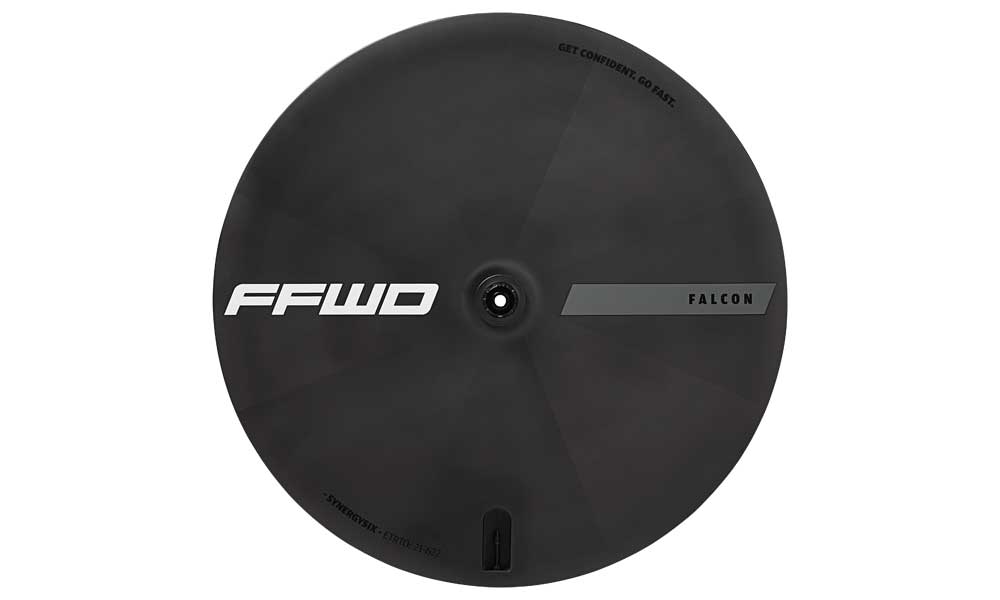
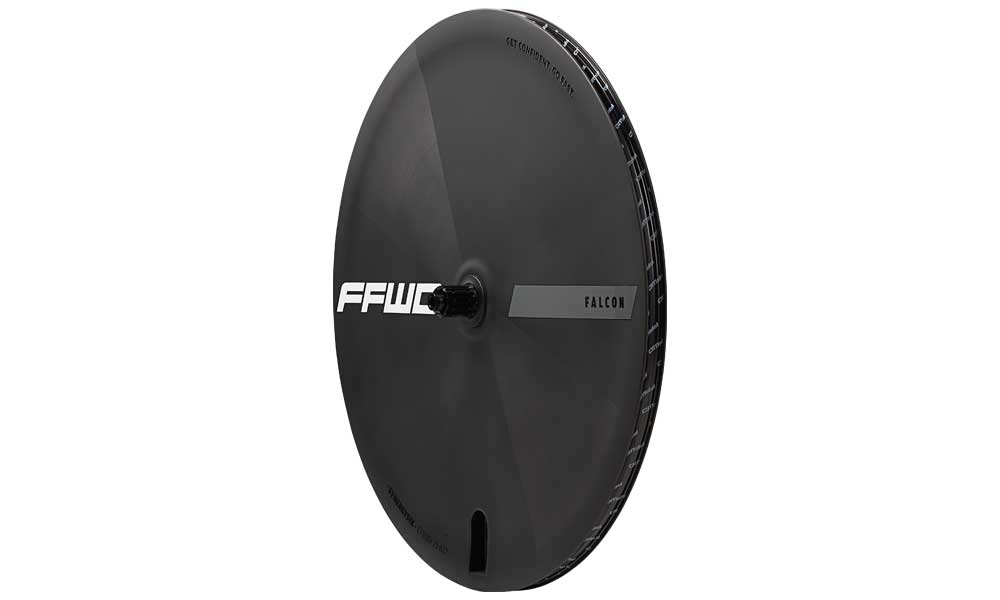
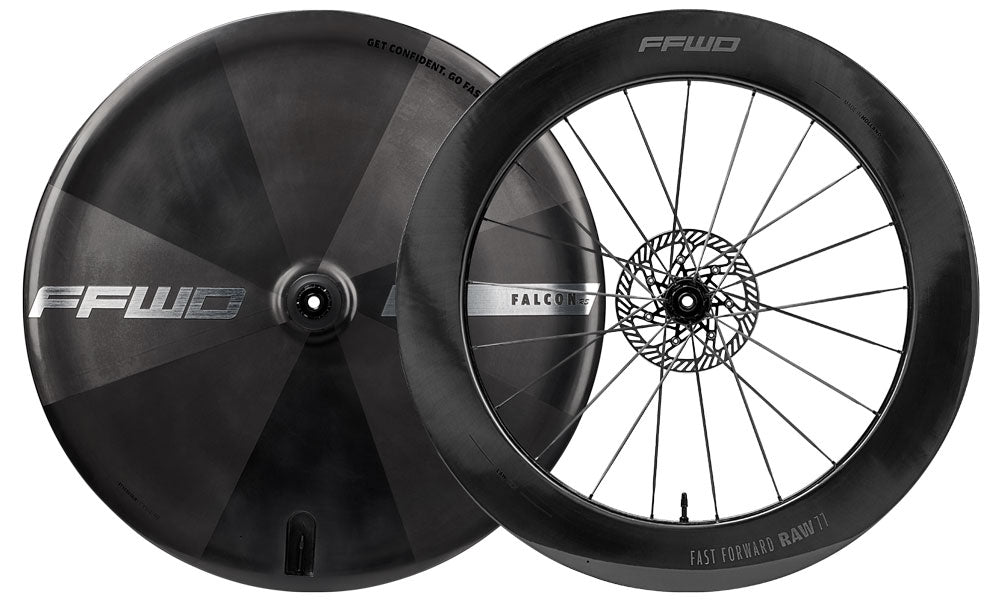
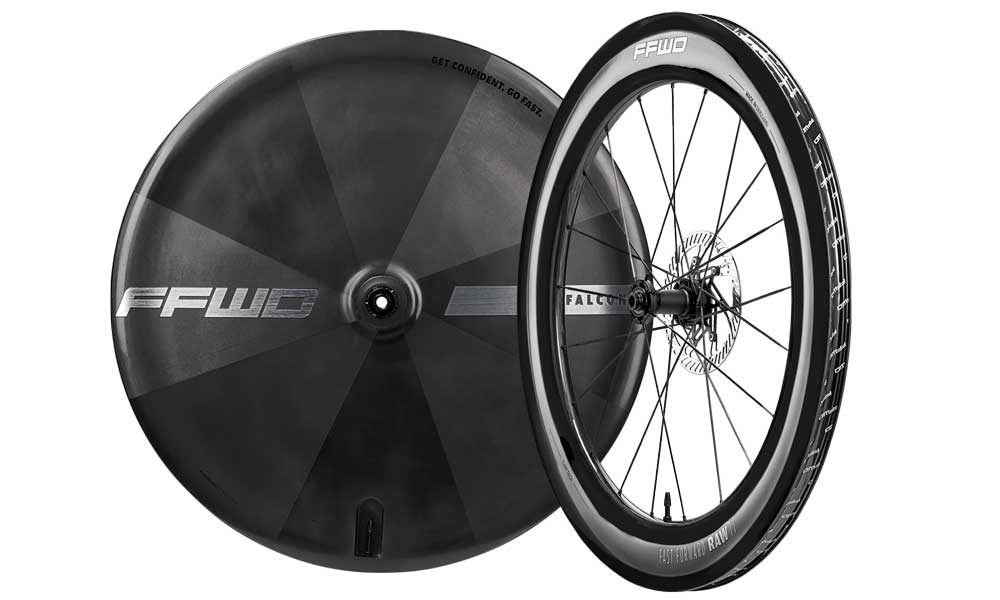
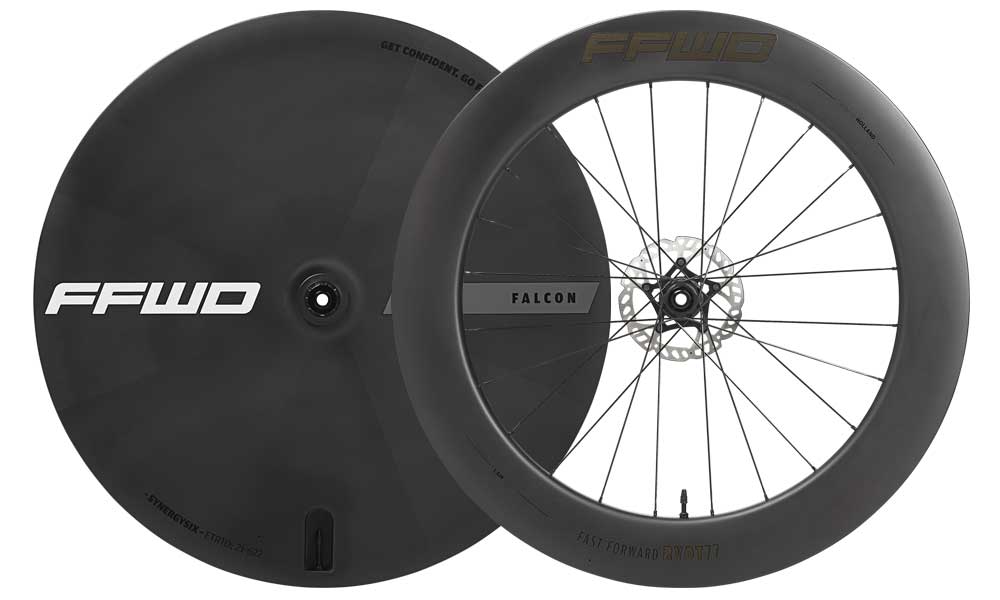
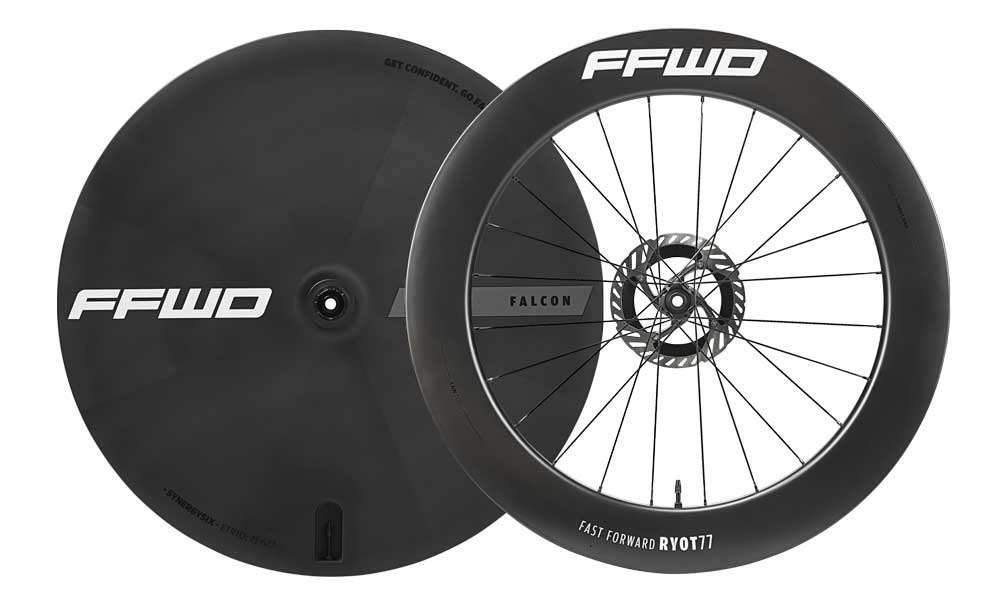
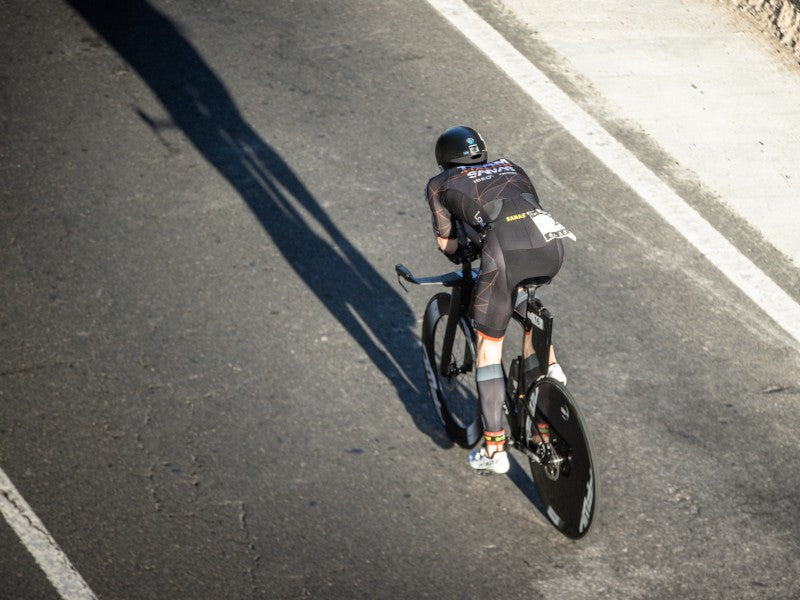
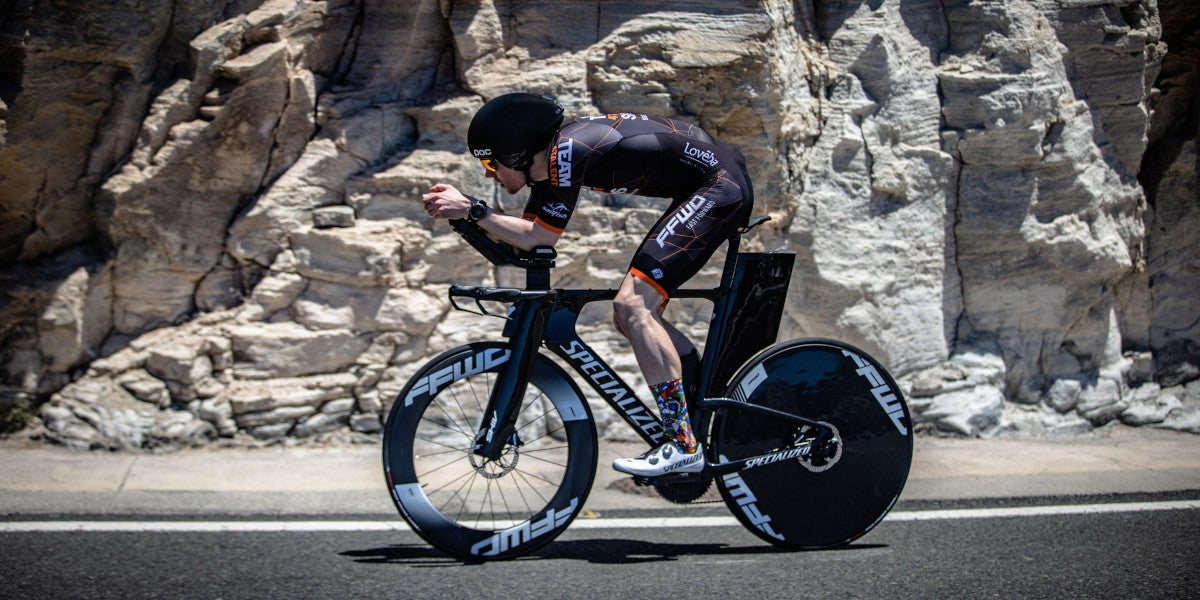
Finally, there is one more wheel we should definitely mention: the disc rear wheel. Dense carbon disc rear wheels are a popular choice among triathletes looking for the ultimate in aerodynamic efficiency. But then conditions must allow for riding with a disc rear wheel.
Especially in flat races, the aerodynamic performance of a disc rear wheel is hard to match. But it also adds extra weight, and on a course with a lot of altimeters that is definitely a disadvantage. Also during weather with lots of strong crosswinds, riding with a disc rear wheel is often not the first choice during the long time trial in a triathlon race.
Practical tips when choosing your triathlon wheels
Have we managed to excite you to take your triathlon performance to the next level with the help of your equipment? As promised, we have some tips for you that will help you make the best choices.
1. Start training with different wheel sets: Get experience with the different wheels you have under different conditions. Not only will this help you become well versed in their handling, but it will also improve your ability to make quick and effective decisions during the race.
2. Know the course: Study the course carefully beforehand and choose the wheels that best suit the specific conditions you will encounter. Choose wheels with higher rims for flat courses and lower (and lighter) ones for terrains with lots of altimeters.
3. Keep an eye on the weather forecast: The weather can make and break your race, so being well prepared is crucial. If strong winds are expected, especially with gusts, consider lower rims for more safety and stability.
Conclusion
Choosing your wheels is one of the strategic decisions you make prior to triathlon races. It's not just about choosing between carbon and another material, but more importantly about understanding the nuances of aerodynamics, crosswind, and weight. By choosing the right wheelset, adapted to the course and weather conditions, you can significantly improve your performance. In doing so, remember that good preparation and knowledge of equipment can make the difference between a good race and a great one.