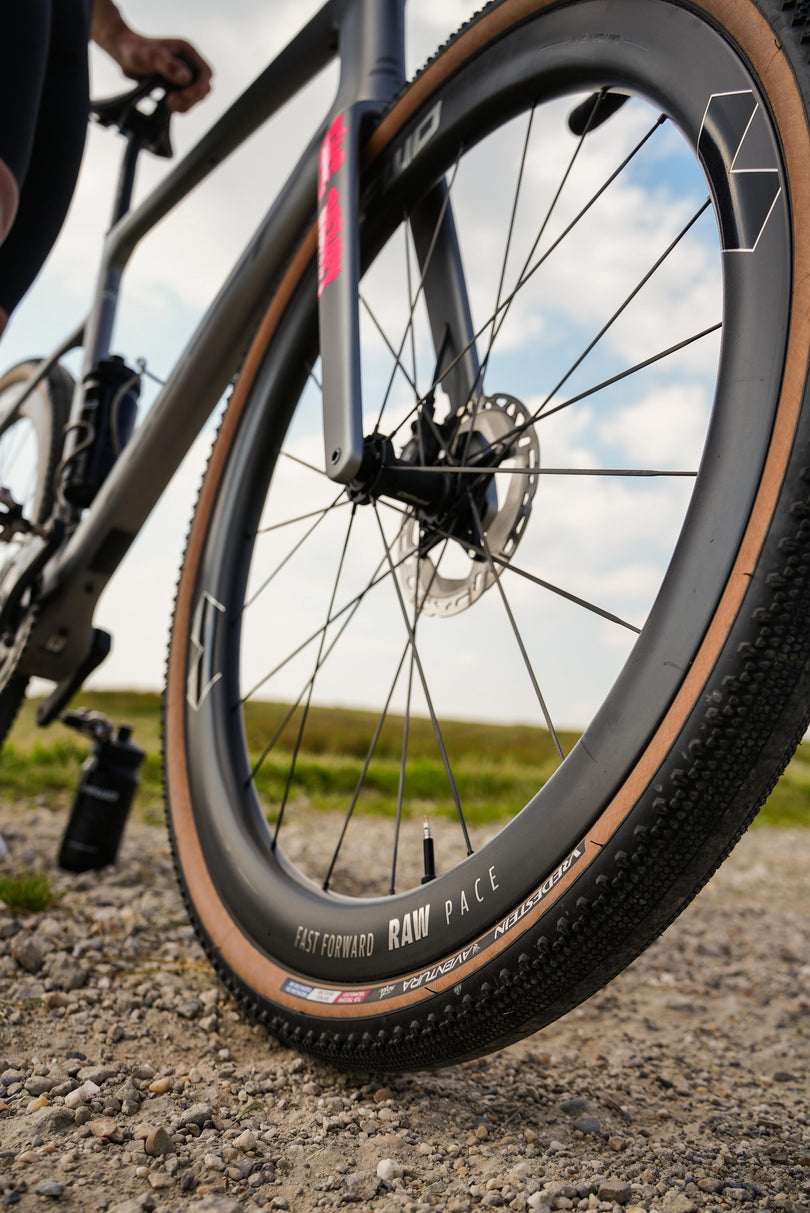

Gravel has matured rapidly over the past few years. What once started as an adventurous side branch of cycling has evolved into a discipline with its own identity. International race series, increasingly competitive fields, and a growing professional scene clearly show that gravel has become an essential part of modern cycling.
What makes this evolution so interesting is that gravel isn’t just expanding in popularity, it’s also becoming more serious in every sense. The level keeps rising, races are getting more demanding, and equipment plays an increasingly decisive role. That is exactly why FFWD does not see gravel as a passing trend, but as a fully established performance category where innovation and versatility come together.
Gravel as a development platform, not a side discipline
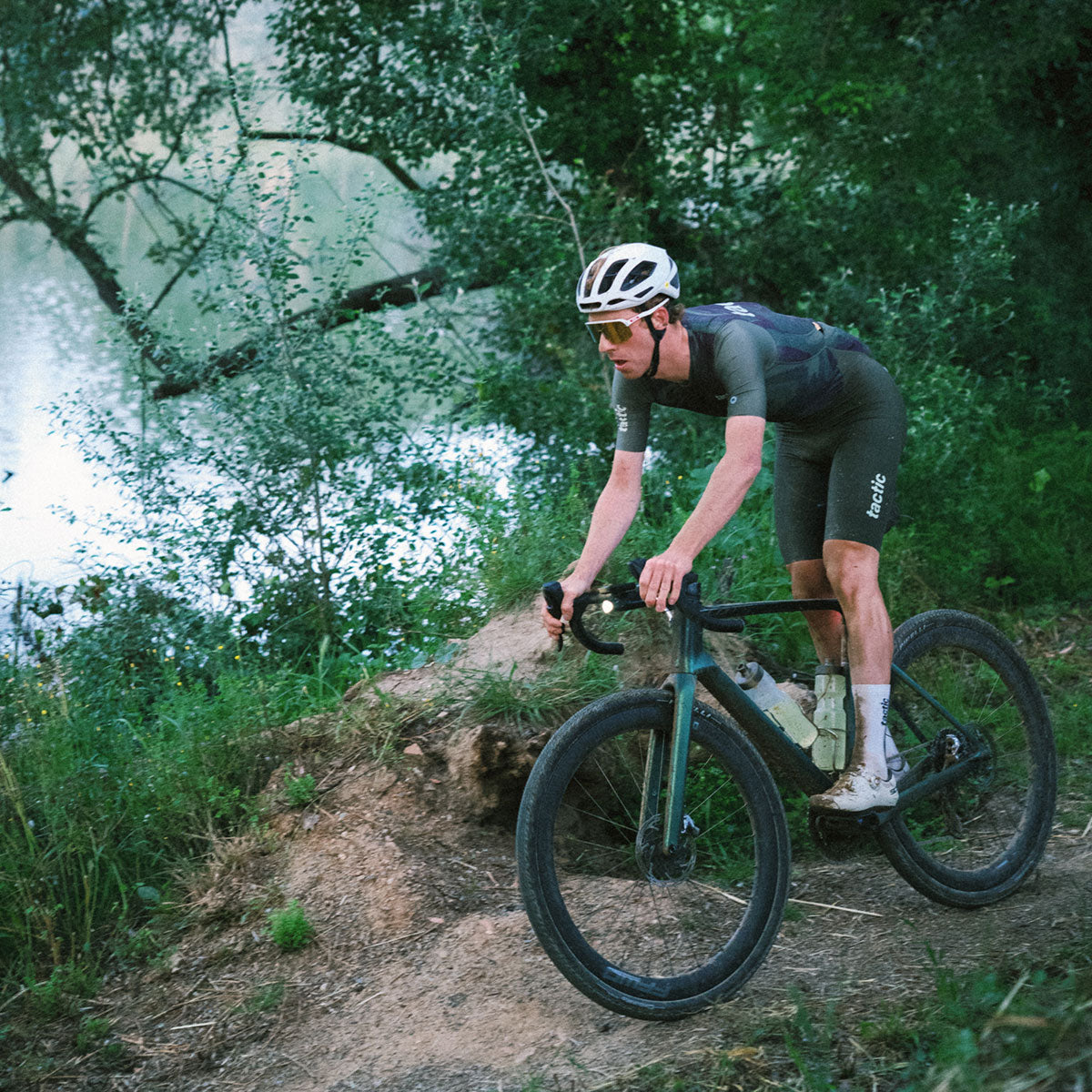
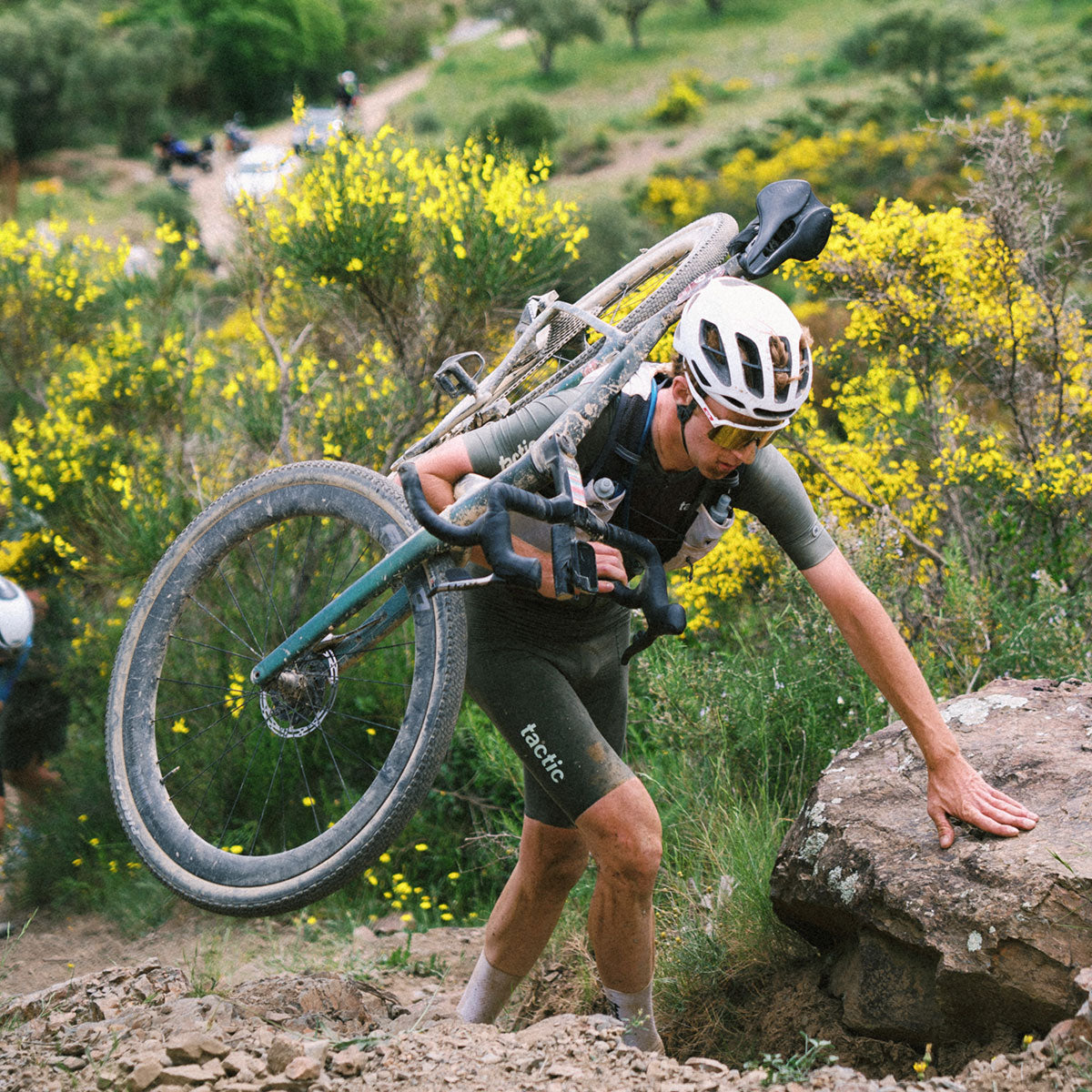
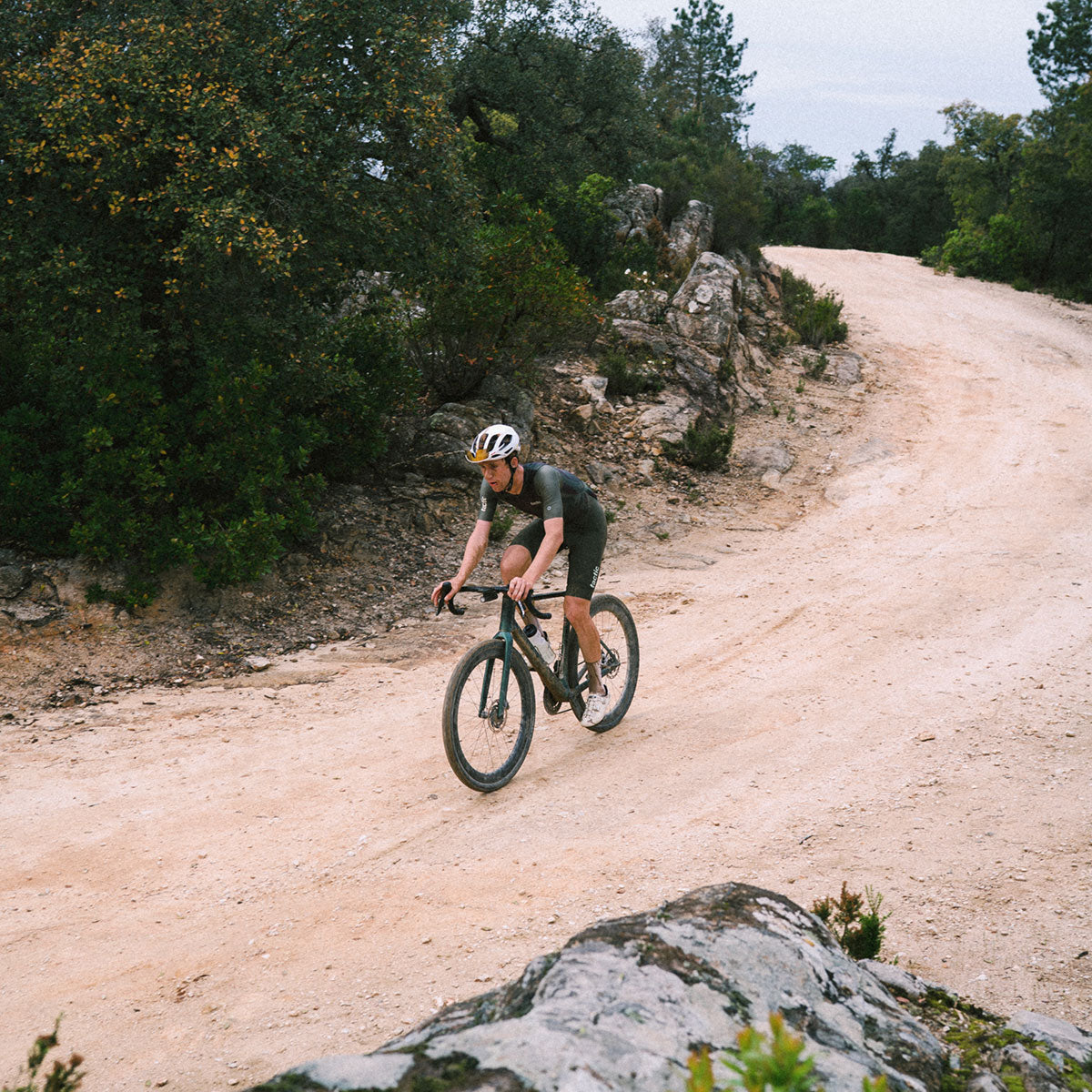
Gravel often requires different solutions compared to road cycling. Not necessarily because it is “harder,” but because the conditions are far less predictable. A race can include fast hardpack sections, technical sectors with loose rocks, long climbs, dust, mud, and everything in between. The load on equipment is constantly changing.
This variety is precisely what makes gravel an ideal development platform. A wheelset must deliver speed, but also combine control, comfort, and durability. Gravel forces smart decisions: a setup that remains efficient on asphalt, yet inspires confidence on rough terrain.
Competition is the ultimate test. In a gravel race, there is no “pause” to preserve equipment. You ride hard, you ride long, and you often ride in conditions where everything is demanded at once.
A great example of this was The Traka 360 in 2025. A race where the conditions challenge equipment on every level: pace, terrain, long-term fatigue, and focus. After extensive testing phases, this was the moment when the DRIFT Pace could prove itself for the first time in full view, in a race of this level. Exactly the kind of scenario where you need to be spot-on and fully present.
Professionally present, by deliberate choice
FFWD has been active in cycling for many years, and gravel as the latest addition to the sport continues to play an increasingly important role. Not because gravel is “new,” but because it has become a discipline where results are directly connected to reliability and confidence. The level is high, the peloton is international, and the margins keep getting smaller.
That is why FFWD deliberately chooses not only to develop gravel wheels, but also to be an active part of the scene. Sponsorship and visibility are not goals in themselves, but a way to stay close to real-world racing. Gravel is a discipline where feedback from races and events simply cannot be replaced by theory.
What makes gravel even more unique is that the professional world and the passionate amateur scene are closely connected. The atmosphere is accessible, but the competitive level has risen dramatically over the past years. That combination is exactly what makes gravel so powerful: it is both pure experience and high-level racing at the same time.
New focus points in 2026
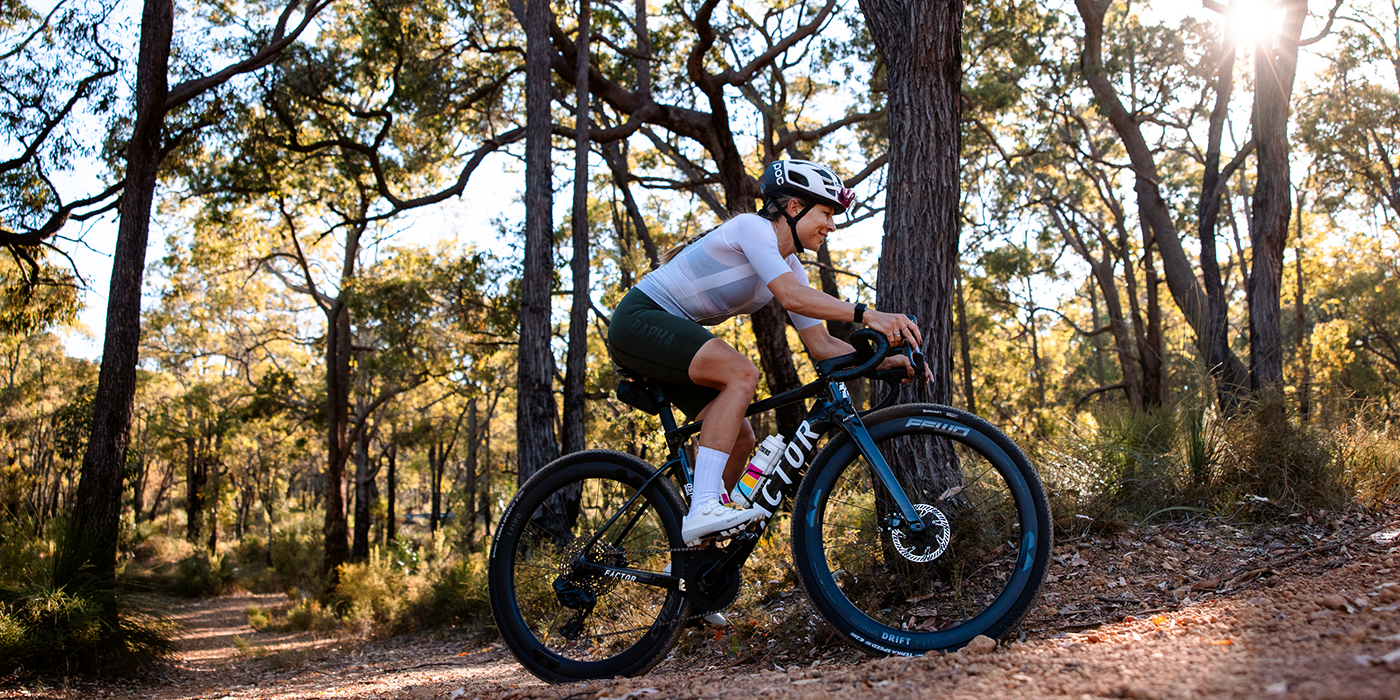
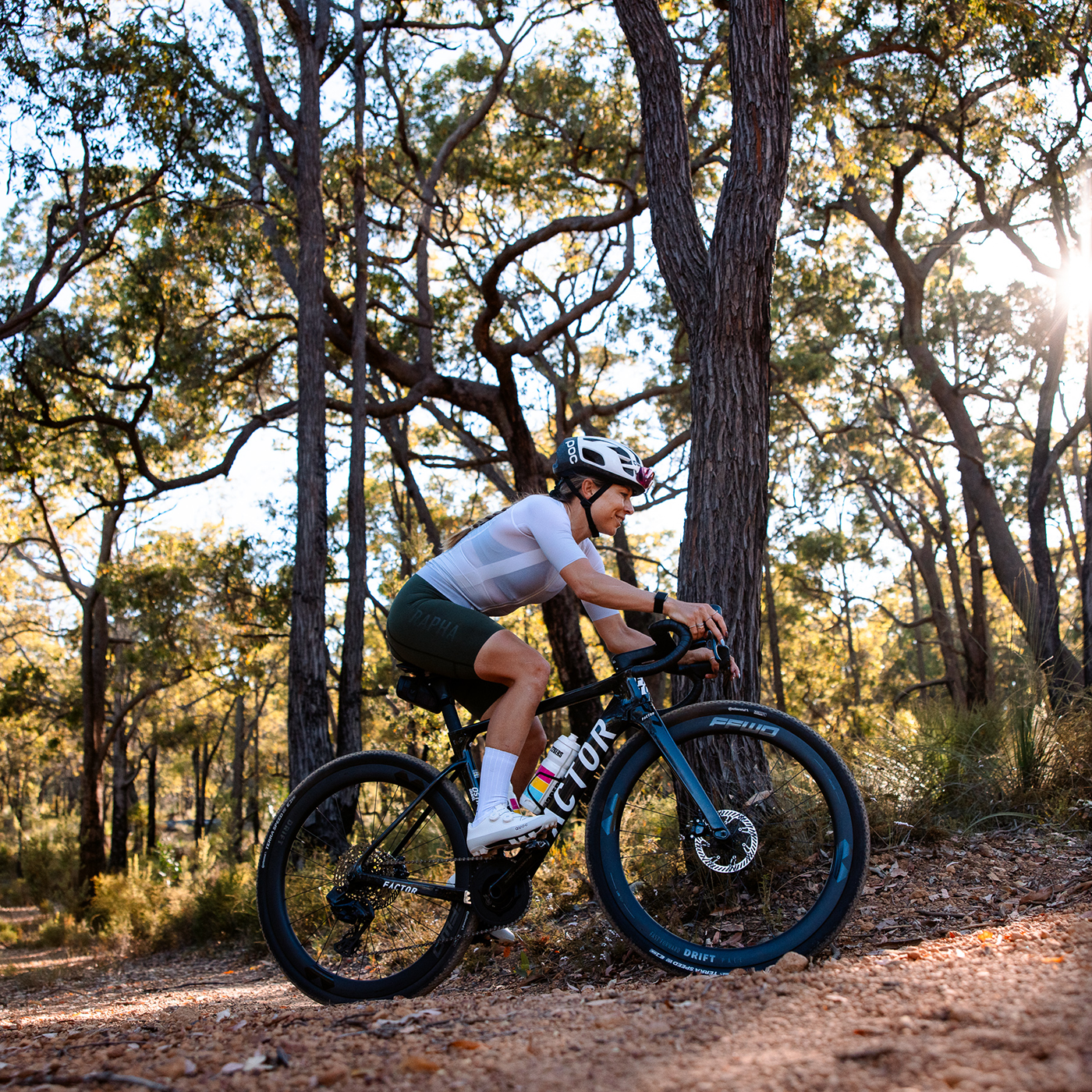
In 2026, FFWD will take new and clear steps within gravel. One of the most important is the collaboration with Australian gravel racer Nicole Frain. An athlete with international experience, a strong race mentality, and a clear focus on high-level competitive gravel.
Nicole started her season in impressive fashion by winning the Oceania Championship (January 2026), a title race at the highest level within the continent Oceania that includes Australia. A result that underlines she is not only present in the gravel peloton, but also racing for the top positions.
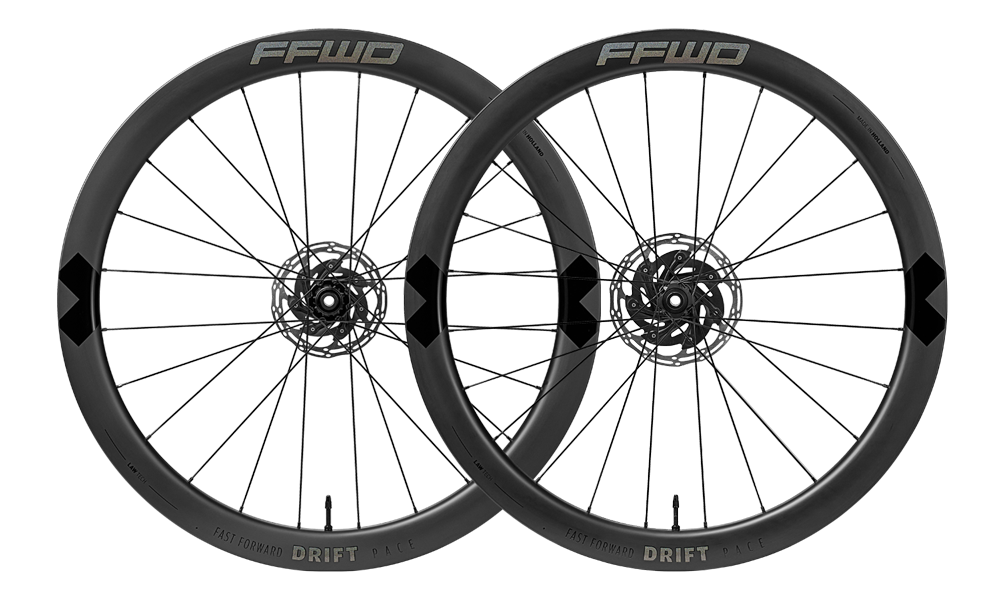
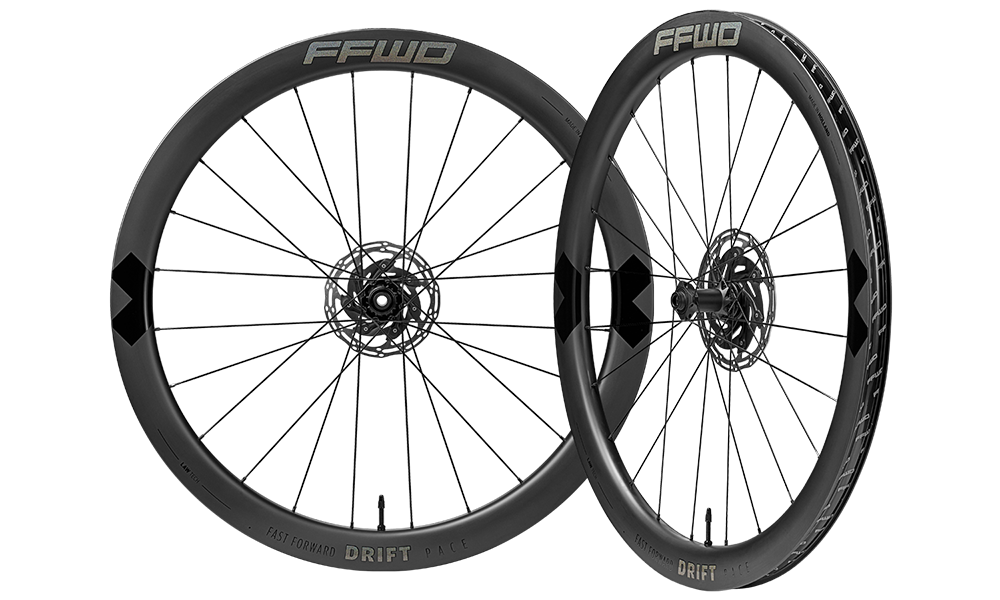
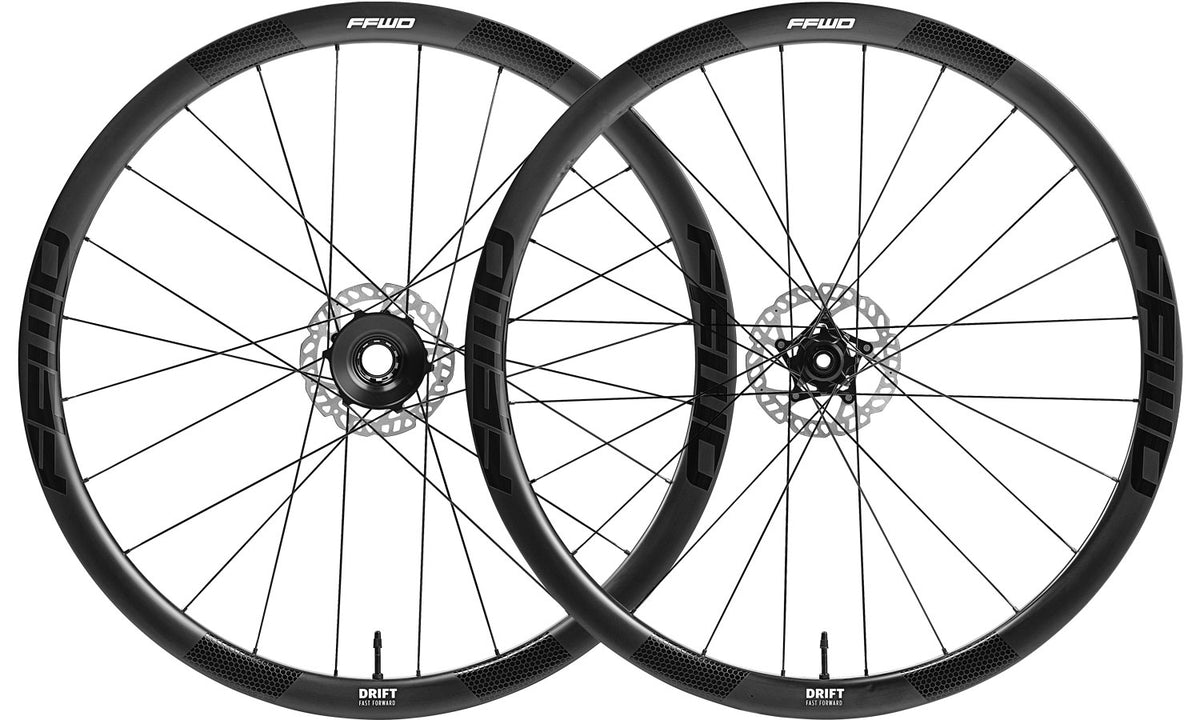
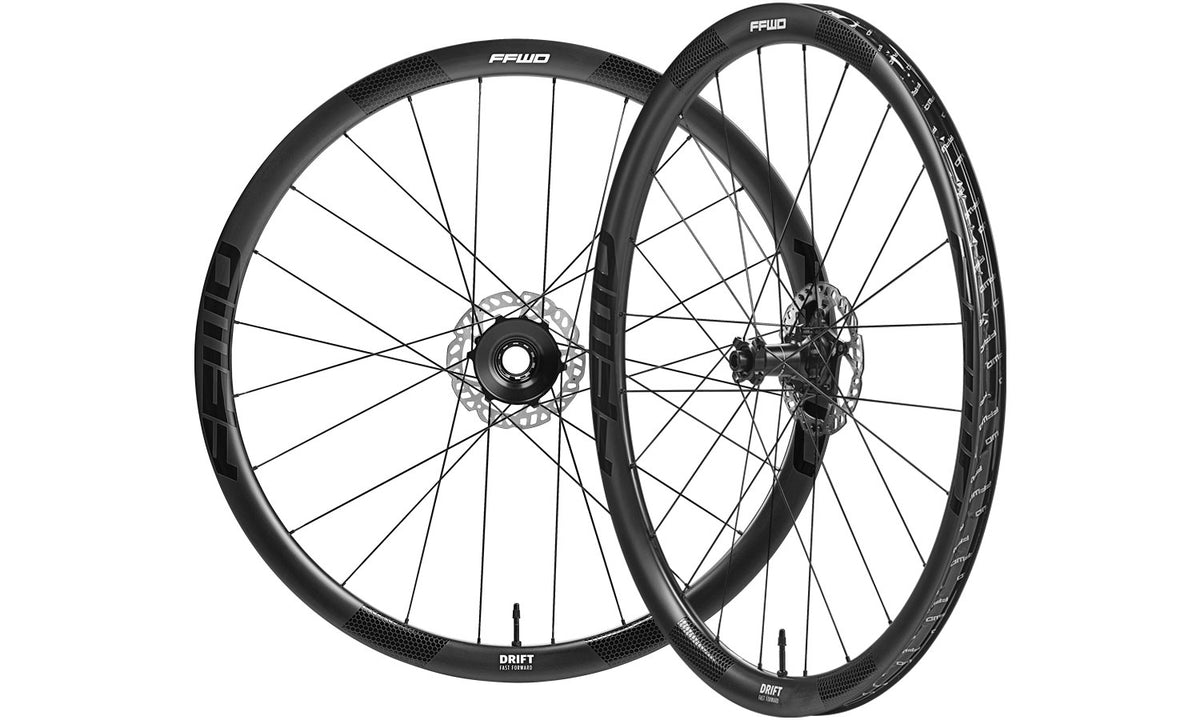
From 2026 onward, Nicole will race on the DRIFT Pace. A wheelset developed with one clear mission: combining speed with control and reliability. Exactly what gravel demands today.
This collaboration is a logical next step in our gravel ambitions. Not only because of Nicole’s results, but also because partnerships at this level contribute directly to further product refinement.
That gravel has become true high-level racing was also clear at the UCI Gravel World Championships 2025. FFWD riders achieved three impressive top 10 results:
- 2nd place – Frits Biesterbos (Netherlands)
- 5th place – Felix Stehli (Switzerland)
- 8th place – Rick Ottema (Netherlands)
Results that show just how strong the international gravel level has become. And that FFWD is visibly part of it. Later in 2026, we will publish a more in-depth article focusing on the partnership with Nicole Frain.
Gravel for more than just professionals
Even though gravel is becoming increasingly professional, it continues to attract passionate amateurs and adventurous riders. And that may be gravel’s greatest strength: it is broad. It is racing, but also exploring. It is competition, but also freedom.
That is exactly why the translation from the top level to the consumer matters so much. What works in racing often proves just as valuable for the dedicated gravel rider. A wheelset that delivers confidence on rough terrain, stays efficient on fast sections, and remains stable when fatigue kicks in, makes a difference for everyone.
Most gravel riders are looking for the same balance: speed without nervous handling, comfort without sluggishness, and reliability for long days in the saddle. That is exactly what gravel development is about, and why this discipline plays such an interesting role in the evolution of cycling technology.
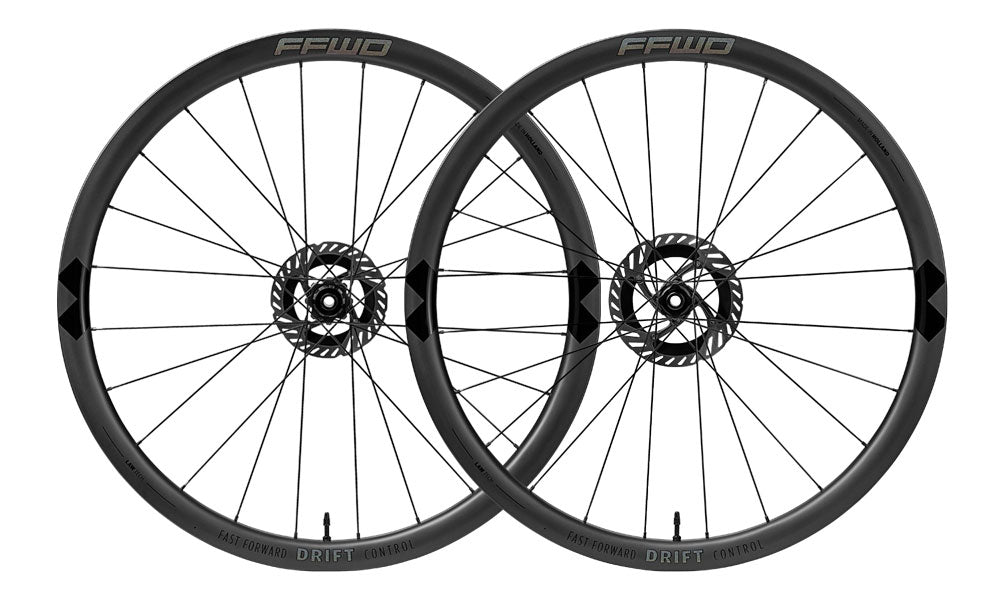
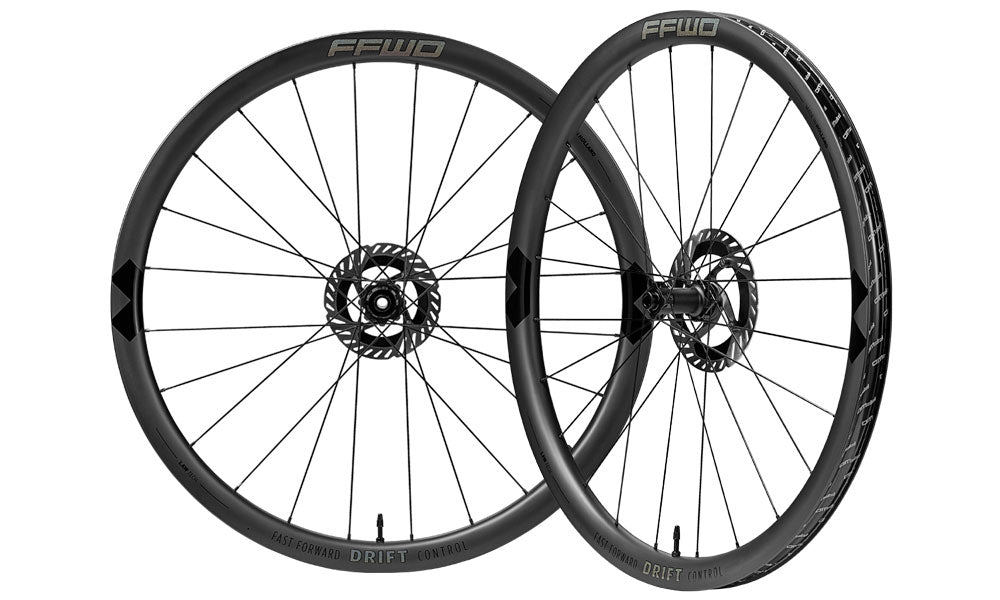
View the DRIFT series here.